Blog
Will a New Boiler Reduce Your Heating Bills?
Will a new boiler reduce your heating bills?
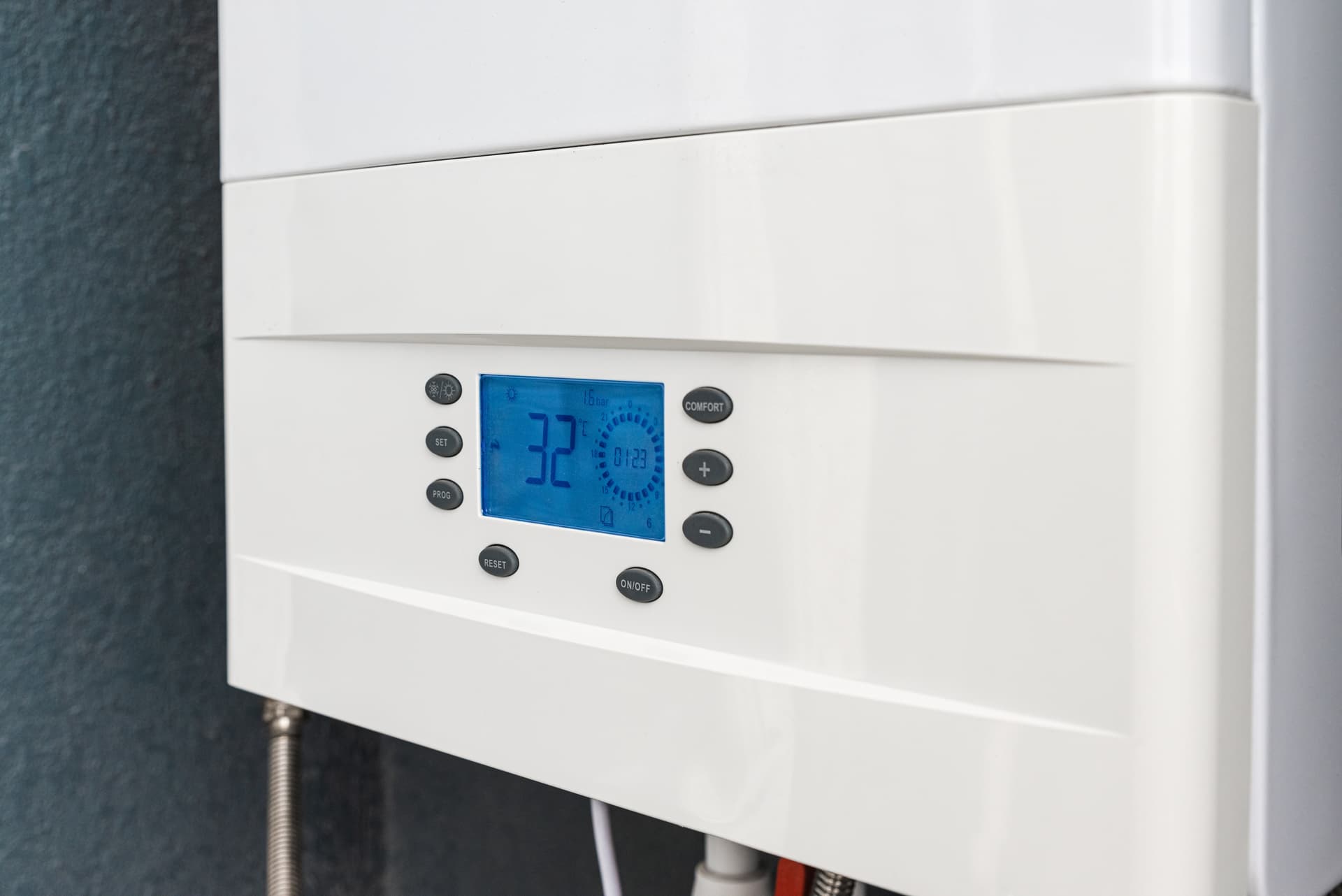
A new boiler can use fuel more efficiently than an old or poorly performing appliance, but replacing the boiler alone does not guarantee lower bills. The result depends on how much heat your property needs, how effectively the heating system distributes it and how accurately you control it.
That is why our approach to Boiler Installation starts with the whole heating system rather than treating the boiler as an isolated appliance. For homes in Earl Shilton, Hinckley, Wolvey and the surrounding areas, the right answer can differ considerably between a modernised property, an older terrace and a larger house with several bathrooms.
The boiler is only one part of the calculation
A boiler burns fuel to produce heat, but your bills are also shaped by how much heat escapes and how the system responds to demand.
A property with limited insulation, draughty windows or exposed walls may need more heat to maintain the same indoor temperature. A new boiler can generate that heat efficiently, but it cannot prevent heat leaving through the the parts of the property that separate it from outside. If the home loses heat quickly, the boiler will still need to run for longer.
The same applies to radiators. If they are undersized, cold in places or affected by sludge in the system, the boiler may be working correctly while rooms remain difficult to heat. That can lead to longer heating periods and higher fuel use. During an installation, we consider the condition and performance of the existing system, not just the appliance being replaced.
Why boiler controls make a measurable difference
Controls determine when the boiler fires, how hard it works and when the heating switches off. Basic time and temperature controls may be suitable for some homes, while others benefit from more precise room control or controls that respond to outdoor conditions.
Modern boilers are designed to adjust their output rather than operating at full capacity every time there is a demand for heat. To make proper use of that capability, the controls, boiler settings and heating system need to work together. A boiler that is technically efficient but poorly configured may not deliver the performance you expected.
We look at how you use the property, which rooms need heating and whether hot water demand is concentrated at particular times. That information helps us recommend controls that are practical for your household rather than adding equipment that you will not use properly.
The control must match the way you live
A household that regularly uses hot water in several places at once has different requirements from a smaller home with one bathroom. A combi boiler may provide hot water directly without a cylinder, while a system boiler works alongside stored hot water. The best option depends on demand, available space and the existing pipework.
Choosing the wrong arrangement can affect convenience as well as efficiency. If hot water demand is greater than the system can comfortably meet, you may end up running the heating or hot water for longer, waiting between uses or changing settings frequently. A proper assessment considers these patterns before a boiler is selected.
What can limit the improvement after installation?
The starting point matters. Replacing a boiler that is old, inefficient or unreliable may provide a more noticeable improvement than replacing an appliance that is already operating effectively. However, the final result still depends on the rest of the installation.
Common limiting factors include:
- Poor insulation, which increases heat loss from rooms and hot water pipework
- Radiators that do not match the heat requirement of the rooms
- Dirty deposits or poor water flow in the heating system
- Controls that are incorrectly positioned, programmed or configured
- Pipework and hot water arrangements that do not suit the chosen boiler
- Heating settings that are higher or longer than the property actually needs
A system clean or powerflush, which is a deeper clean of the heating system, may be appropriate where water quality and circulation are affecting performance, but it is not an automatic part of every replacement. We assess the system and explain what is relevant to your installation.
How we assess whether savings are realistic
We consider the boiler's condition, the property layout, the existing heating system, hot water demand and the controls already in place. We also look at installation constraints such as where the boiler’s exhaust pipe can go, where the boiler can be placed and how easy the area is to reach, because these can affect which equipment is suitable.
We cannot promise a fixed reduction in your bills because energy use depends on the property and the way the system is operated. What we can do is design and set up the installation so the boiler, controls, radiators and pipework are working as they should. Our Gas Safe Registered team also holds BPEC accreditation, City and Guilds qualifications, and manufacturer credentials including Vaillant, Baxi and Main.
Here at Randle Plumbing and Heating, we cover boiler installations across Earl Shilton, Rugby, Lutterworth, Atherstone, Coventry, Hinckley, Nuneaton, Bedworth and Wolvey. If you are replacing an existing boiler, contact us on 01455 233 934 to arrange a proper assessment of your property and heating system.
Other Articles


